All three resin families — polyester, vinylester, and epoxy — have legitimate roles in FRP tank construction and rehabilitation. None is universally superior. The right choice depends on what you're storing, at what temperature, and whether you're specifying a new tank or relining an existing one.
This guide breaks down how each resin performs in storage tank environments and gives you a practical framework for matching the right resin to your specific application.
Key Takeaways
- Isophthalic polyester suits potable water and mild chemical service — not aggressive chemicals like sodium hypochlorite
- Vinylester is the industry standard for chemical storage tanks holding acids, alkalis, bleach, and industrial process chemicals
- Epoxy offers the highest adhesion and chemical resistance, primarily used for relining existing FRP tanks
- Resin selection depends on chemical identity, concentration, temperature, and whether you're building new or relining
- Always consult a resin-specific chemical resistance guide for your stored substance — general rankings aren't enough
The Three Resins Explained
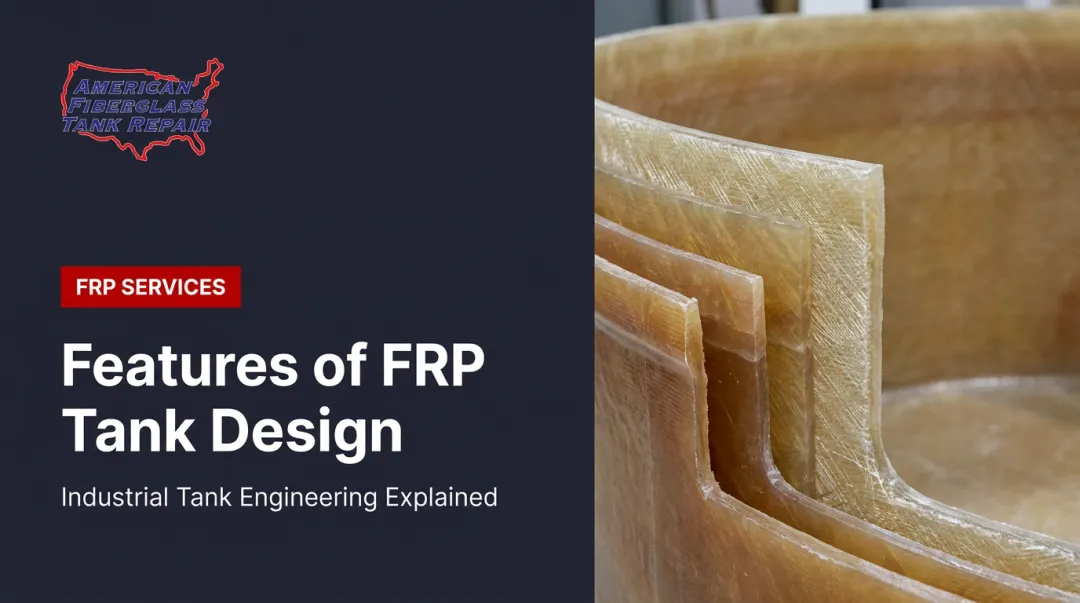
All three resins form the matrix in fiberglass-reinforced plastic (FRP) tanks, but their molecular architecture, chemical resistance, and practical applications differ significantly. The resin — not the glass reinforcement — is the primary determinant of a tank's chemical resistance and long-term durability.
Polyester Resin (Orthophthalic and Isophthalic)
Polyester is the most widely used and lowest-cost FRP resin. Two grades matter for tank work:
- Orthophthalic polyester — general purpose, lowest performance, rarely used in serious industrial service
- Isophthalic polyester — significantly better chemical and water resistance; the standard grade for industrial tank construction
According to AOC Formulations, isophthalic formulations provide higher toughness, tensile elongation, and improved chemical resistance compared to orthophthalic and DCPD grades. Interplastic's CoREZYN isophthalic resins show a heat deflection temperature of 220°F (104°C), with rated resistance to 25% sulfuric acid up to 170°F and 10% hydrochloric acid up to 140°F. They are listed as NR (Not Recommended) for sodium hypochlorite at all concentrations.
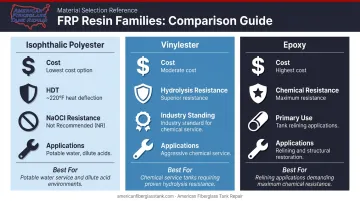
The limitation: polyester's molecular chain contains a high density of ester linkages susceptible to hydrolysis (chemical breakdown in the presence of water or acids). This constrains its use for aggressive chemicals and long-term immersion service — and it's where vinylester's different molecular architecture offers a direct improvement.
Vinylester Resin
Vinylester uses an epoxy backbone with reactive groups positioned only at the ends of the molecular chain. Fewer ester linkages are exposed to chemical attack, producing superior resistance to hydrolysis, acids, alkalis, and water absorption compared to polyester.
Ashland's Derakane resin guide identifies epoxy vinyl ester families including bisphenol-A epoxy-based (411 series) and epoxy novolac-based (470 series) systems , specifically for corrosion-resistant FRP applications handling acids, alkalis, bleaches, and solvents.
Vinylester is the industry-standard choice for industrial chemical storage tanks. It also offers greater flexibility than polyester, reducing stress cracking risk under thermal cycling — a real advantage for outdoor tanks or processes with significant temperature variation.
Epoxy Resin
Epoxy resin offers the highest chemical resistance of the three, particularly for oxidizing chemicals and concentrated acids. Its primary role in tank applications is internal relining and rehabilitation of existing FRP tanks rather than original filament-wound fabrication (building new tanks from scratch), due to application complexity and cost.
Epoxy's key advantage in relining work is adhesion — it bonds effectively to existing FRP surfaces, making it the standard choice for rehabilitating a degraded polyester or vinylester tank with a new chemically resistant barrier layer.
Common epoxy relining applications include:
- Tanks storing concentrated bleach (sodium hypochlorite) or strong oxidizers
- Vessels where vinylester's chemical resistance ceiling has been exceeded
- Existing FRP tanks requiring a new corrosion barrier without full replacement
- Rehabilitation projects where bond strength to the existing laminate is critical
Resin Performance in Tank Applications: A Direct Comparison
Abstract rankings matter less than how these resins perform under the specific demands of storage tank environments. Chemical resistance, water ingress, mechanical strength, and cost each shape the right choice for a given application.
Chemical Resistance
General hierarchy: epoxy > vinylester > isophthalic polyester > orthophthalic polyester
This ranking shifts depending on the specific chemical. Sodium hypochlorite illustrates the point clearly: research from a Diamond Fiberglass/Ashland WEFTEC study tested six resin systems in NaOCl at 9–15% available chlorine. Key findings:
- Brominated epoxy vinyl ester with BPO/DMA/TBPB cure showed the least surface attack and retained the most gloss
- Cobalt naphthenate/MEKP cure caused complete surface gloss loss, confirming that cure system selection matters as much as resin family
- At 65°C in 10% NaOCl, brominated epoxy vinyl ester with C-glass veil retained 71% flexural strength, while the same resin with polyester veil retained only 29%
- Isophthalic polyester is rated NR for sodium hypochlorite service
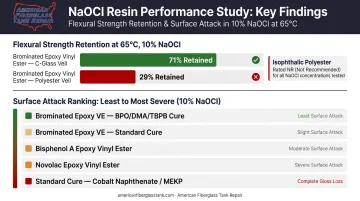
This is why no resin specification should be made without verifying the stored substance against the specific resin's ASTM C581-rated chemical resistance data — a standardized test requiring minimum one-year immersion exposure.
Water and Osmotic Resistance
Polyester's polymer network allows water molecules to penetrate over time, driving gradual degradation in long-term immersion environments. Vinylester's denser molecular structure limits that ingress. Epoxy offers the strongest barrier of the three, making it the go-to choice for direct water contact or underground installation.
For tanks holding water, dilute chemicals, or installed underground, this distinction directly affects lining service life.
Mechanical Strength and Thermal Performance
| Property | Polyester | Vinylester | Epoxy |
|---|---|---|---|
| Flexibility | Lower | Higher | Lower (brittle if over-applied) |
| Stress crack resistance | Moderate | Better | Variable |
| Thermal cycling performance | Adequate | Good | Application-dependent |
| Typical HDT (isophthalic/product-specific) | ~220°F | Varies by grade | Varies by system |
Vinylester's combination of strength and flexibility makes it the preferred choice for tanks exposed to temperature swings or vibration. Elevated temperatures accelerate chemical attack across all resin systems. Always specify operating temperature alongside chemical identity when consulting resistance data.
Cost Considerations
Polyester carries the lowest upfront material cost. Vinylester runs moderately higher. Epoxy is the most expensive option.
For aggressive service environments, total cost of ownership (TCO) typically favors the higher-grade resin. One premature lining failure can trigger:
- Unplanned downtime and lost production
- Emergency repair mobilization costs
- Potential secondary containment events
- An early relining cycle that dwarfs the original resin cost difference
Over a 10–20 year tank life, the gap between polyester and vinylester at original specification is small compared to what a single premature failure costs.
Key Factors When Selecting a Resin for Your Tank
Stored Chemical Identity and Concentration
The specific chemical, its concentration, and operating temperature are the primary drivers of any resin specification. Common industrial chemicals and their general resin requirements:
- Sodium hypochlorite (bleach): Isophthalic polyester is NR. Vinylester (specifically brominated grades with appropriate cure and C-glass veil) or epoxy required at industrial concentrations
- Sulfuric acid (25%): Isophthalic polyester rated to 170°F; vinylester and epoxy extend the resistance ceiling
- Caustic soda / sodium hydroxide: Vinylester generally preferred; concentration and temperature determine grade
- Ferric chloride / HCl: Vinylester or epoxy typically required
- Potable water / deionized water: Isophthalic polyester is generally acceptable; NSF/ANSI 61 product certification required
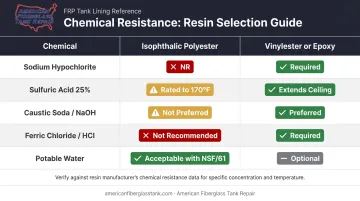
No resin selection should be finalized without checking the specific resin manufacturer's chemical resistance data for the stored substance at its operating concentration and temperature.
New Tank Fabrication vs. Existing Tank Relining
The construction method shapes the decision:
- New tanks: Both polyester and vinylester are used in filament winding (ASTM D3299) and hand layup (ASTM D4097). The choice is polyester vs. vinylester based on chemical service
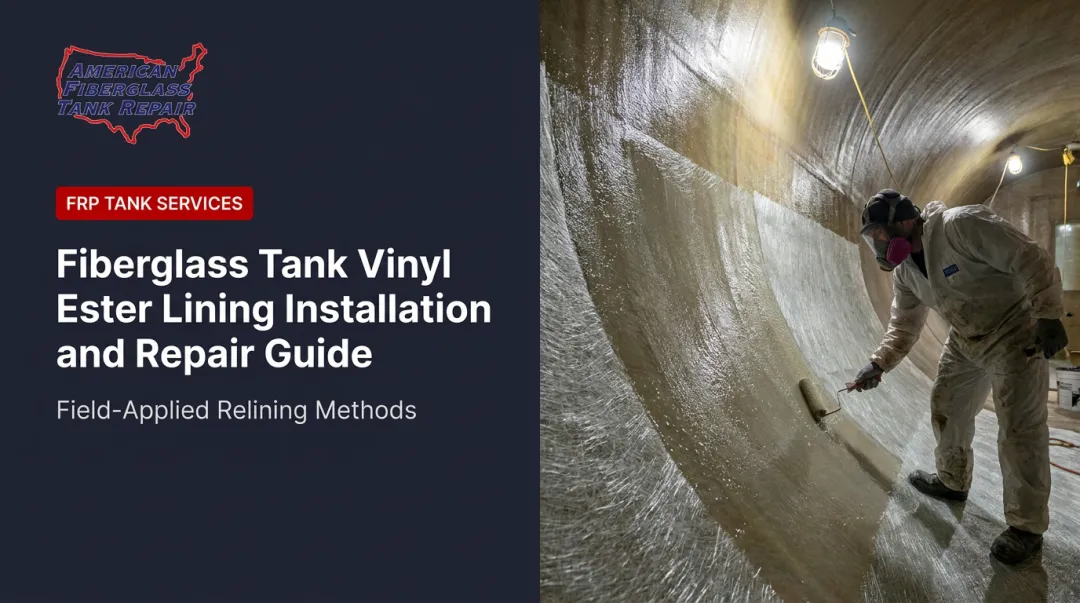
- Relining existing tanks: Epoxy or vinylester applied over the prepared existing substrate. Surface preparation — grinding, cleaning, and proper laminate sequencing — is critical to achieving bond integrity between the new lining and the existing wall
AFTR regularly performs relining of existing polyester-lined tanks with vinylester or epoxy systems, which allows facilities to adapt tanks to new chemistries or more aggressive service conditions without full replacement.
Regulatory and Safety Standards
Beyond construction method, compliance requirements can independently narrow your resin options:
- Potable water tanks: NSF/ANSI 61 certification is required. This is product-specific — not a blanket approval for any polyester or vinylester resin family. Use the NSF certified components search to verify a specific system
- Secondary containment: EPA 40 CFR 112.7(c) requires containment structures for SPCC-regulated facilities ; this drives tank integrity inspection obligations, not specific resin selection
- ASTM standards: ASTM C581 governs chemical resistance testing; ASTM D3299 covers filament-wound FRP tanks; ASTM D4097 covers contact-molded FRP tanks
How AFTR Matches the Right Resin to Your Tank
American Fiberglass Tank Repair (AFTR) is a dedicated FRP tank repair, inspection, and relining contractor operating across all 50 U.S. states since 2003. One practical advantage: AFTR is not tied to any single resin system. The company works with custom-blended isophthalic and terephthalic polyester, vinylester, and epoxy resins, so resin selection is driven by the application — not by what's on the shelf. That independence starts at inspection.
Inspection Before Specification
Every resin recommendation at AFTR starts with inspection. Fiberglass Tank & Pipe Institute certified inspectors use ultrasonic, laser, and high-intensity backlight testing to assess lining condition before any material recommendation is made.
These methods detect what visual inspection misses:
- Spidering and disbondment within the laminate layers
- Emulsification from chemical exposure
- Capillary migration of liquid product beneath the corrosion coat (a hidden failure mode indicating the lining has already been breached)
- Shell distortion, floor stress cracking, and UV degradation
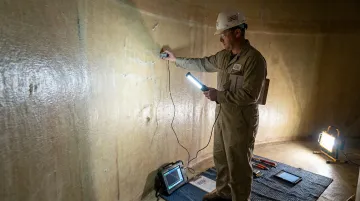
The inspection output directly informs resin selection. A tank with surface-level corrosion coat degradation may need vinylester relining. A tank showing deep chemical penetration or storing an aggressive oxidizer like concentrated hypochlorite may require epoxy. Catching degradation early converts what could be a replacement project into a planned relining, extending service life at a fraction of replacement cost.
Laminate Selection Alongside Resin
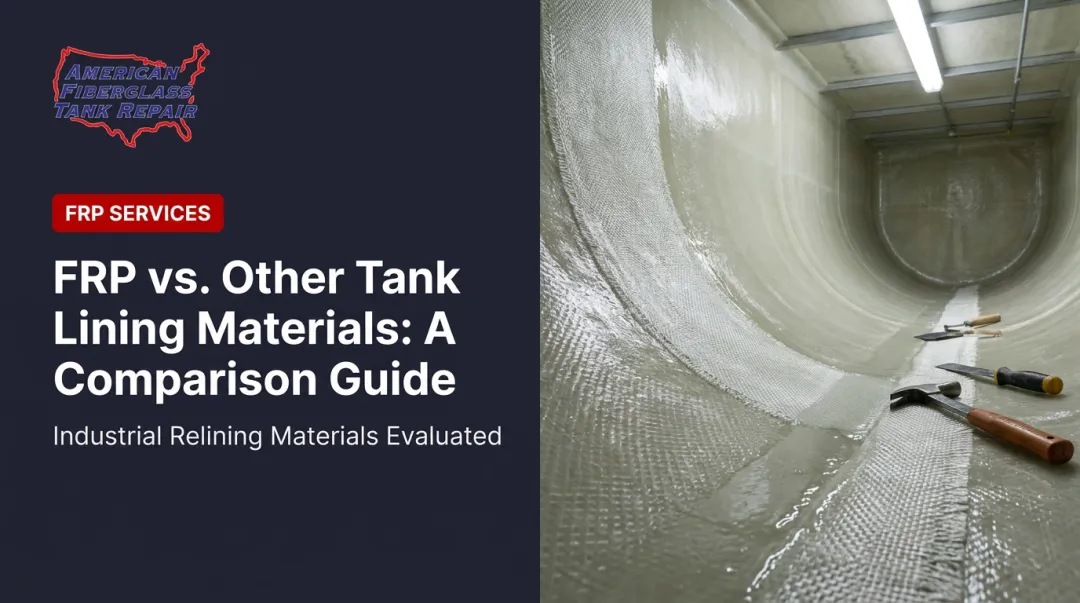
Resin is only part of the specification. The reinforcement veil and mat construction paired with the resin determines actual barrier performance. A WEFTEC bleach study found the same resin retaining either 71% or 29% of its flexural strength depending solely on whether C-glass or polyester veil was used.
AFTR stocks over 45 laminate options to support proper multi-layer barrier construction for each chemical service:
- Fiberglass mat and chopped strand
- Nexus and Harlar veils
- Carbon veil for demanding chemical environments
For tanker trailers specifically, AFTR's dedicated relining facilities in Ashland and Franklin, NH offer approximately a two-week turnaround. The industry standard is two months or more.
Conclusion
No single resin is the right answer for all FRP tank applications. Here's how the three options break down:
- Isophthalic polyester handles lower-risk service — potable water, select dilute acids — adequately and cost-effectively
- Vinylester covers the majority of industrial chemical storage needs with better chemical resistance, water barrier performance, and flexibility
- Epoxy delivers maximum resistance and is the preferred choice for tank rehabilitation or the most aggressive chemical environments
Resin selection is not a one-time decision. As tanks age, chemicals change, and operating conditions shift, lining performance warrants periodic assessment by a certified FRP inspector. Catching degradation early — before it becomes structural — consistently costs less than emergency repair or premature replacement. American Fiberglass Tank Repair's Fiberglass Tank & Pipe Institute certified inspectors can evaluate your existing lining and recommend whether a resin upgrade or restoration is warranted.
Frequently Asked Questions
Frequently Asked Questions
How long does vinylester resin last in a storage tank?
Vinylester-lined tanks can last for decades in appropriate service. Longevity depends on the chemical stored, operating temperature, and quality of the original application. Periodic inspection is essential to catch early degradation before it becomes a structural issue.
Is polyester or vinylester resin better for chemical storage?
The right choice depends on the stored chemical. Isophthalic polyester performs adequately for potable water and select dilute acids. Vinylester is the better choice where chemical resistance, long-term durability, or industrial service conditions are involved.
Are polyester and vinylester resins compatible for relining?
Vinylester can typically be applied over a prepared polyester substrate. Adhesion preparation — abrasion, cleaning, and correct laminate sequencing — is critical because the two systems have different cure chemistry and shrinkage rates. Professional application and post-cure inspection are essential.
When should epoxy resin be used in a fiberglass tank?
Epoxy is most commonly specified for internal relining of existing FRP tanks where maximum chemical resistance is required. It's the preferred choice for highly oxidizing chemicals like concentrated bleach or strong acids, and for rehabilitating degraded linings that need a higher-performance barrier.
Can a polyester fiberglass tank be relined with vinylester or epoxy?
Yes. Upgrading an existing polyester-lined tank with a vinylester or epoxy relining system is a common and cost-effective rehabilitation approach, often extending service life by many years while avoiding the capital cost and lead time of full tank replacement.
What resin is best for sodium hypochlorite (bleach) storage tanks?
Sodium hypochlorite is among the most aggressive chemicals for FRP tanks, and isophthalic polyester is rated Not Recommended for hypochlorite service. At industrial concentrations, brominated epoxy vinyl ester grades with a C-glass veil — or epoxy — are required. Always consult a qualified FRP specialist and the resin manufacturer's chemical resistance data before selecting a resin system.